
Free Shipping
Free shipping on subscriptions or orders over $50.
Subscribe & Save
Save up to 20% and earn up to 5% cash back rewards.
Your gut is home to trillions of microorganisms. Bacteria. Archaea. Fungi. And more.1
Together, they form a complex ecosystem that interacts with digestion, immunity and overall health. And we're still discovering just how much they do.
Medically reviewed by Dr. Ken Brown, Gastroenterologist · Updated October 2026 · Sources
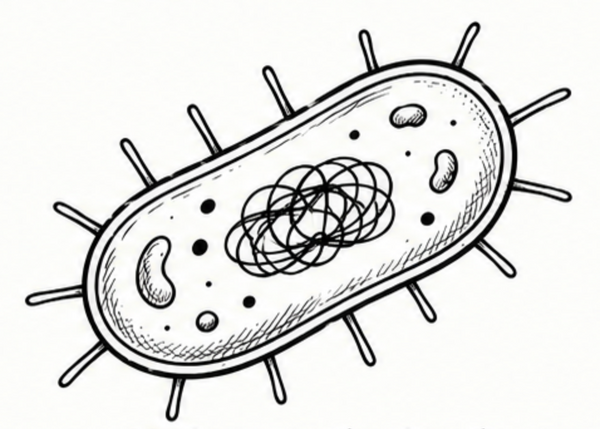
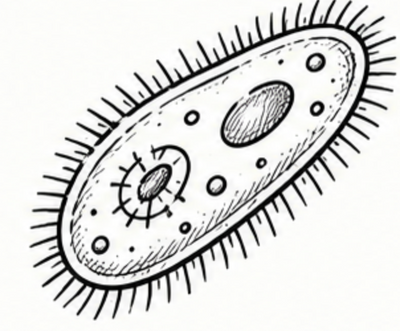
The gut microbiome refers to the microorganisms living in your digestive tract, along with their genes and surrounding environment.
These organisms help process certain food components, produce metabolites and interact with your immune system.2
And there's no single perfect microbiome. Each person's microbial community is influenced by diet, medications, age, environment and other factors.
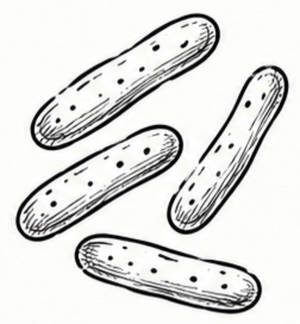
Single-celled microorganisms found throughout the digestive tract.
Many help process food components and produce compounds that interact with the body. Different species perform different functions.
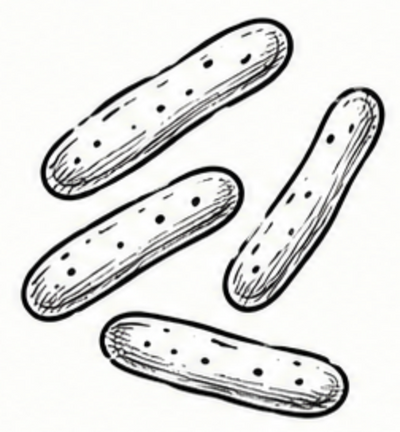
Single-celled microorganisms that are biologically distinct from bacteria, with their own unique cell structures.
Some in the digestive tract are methanogens: they use hydrogen and carbon dioxide to produce methane.
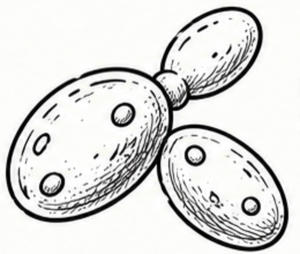
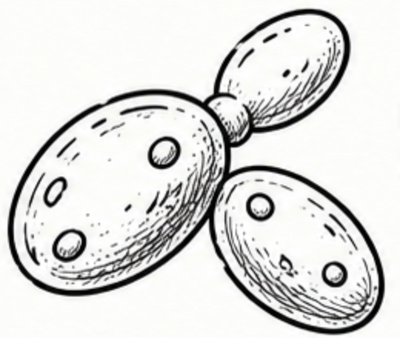
Fungi, including yeasts, are also part of the gut's microbial ecosystem.
Scientists continue to investigate their relationships with other microorganisms and digestive health.
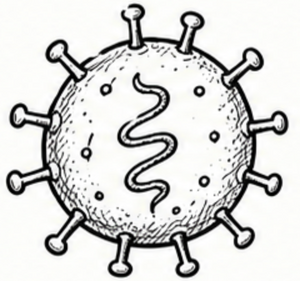

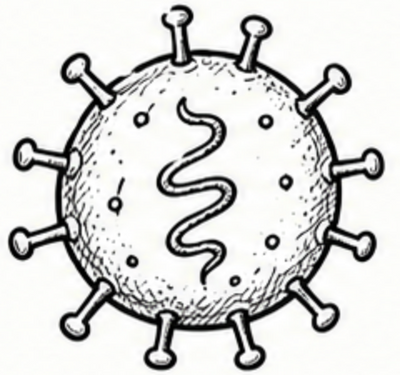
The gut also contains viruses, protozoa and other microscopic organisms that contribute to its complex ecosystem.
Quite a lot, actually.

Certain carbohydrates and fibres that aren't fully digested by human enzymes can be fermented by gut microorganisms.2

Some microbes produce short-chain fatty acids and other metabolites that interact with intestinal cells.2

Microbial communities help shape communication between the gut and immune system.

Fermentation can generate hydrogen and carbon dioxide. Other microorganisms can produce methane.3
Your small intestine is responsible for much of the digestion and absorption of nutrients. It has a different microbial environment from the large intestine, which contains a much denser microbial population.
Changes in microbial numbers or activity in the small intestine may contribute to digestive symptoms in some people.4 This relationship is an important area of research into fermentation and SIBO.

Diet, medications, probiotics and other interventions can influence microbial communities or their activity.
Researchers are also studying polyphenols, naturally occurring plant compounds that interact with microbes and their metabolites. Their effects depend on the compound, dose, microbial community and individual.
The relationship between microorganisms and digestive health remains an active area of research.
At KBS Research, we're particularly interested in microbial activity, fermentation and the digestive environment.

Atrantil is a GI doctor-formulated supplement containing Quebracho Colorado, Horse Chestnut and Peppermint Leaf.
In Canada, Atrantil is licensed to help relieve symptoms of IBS-C, such as bloating and constipation.
Consumer stool tests exist, but there's no agreed healthy microbiome to compare against, so results are hard to act on.
Yes. What you eat, especially fibre and plant foods, is one of the biggest influences on which microbes thrive.
Not usually. Everyone produces intestinal gas. It's a normal by-product of fermentation. Persistent, painful or changing symptoms are worth discussing with your provider.
Yes, but far fewer than in the large intestine. Changes in microbial numbers or activity there may contribute to symptoms in some people.
This page is for education and isn't a substitute for advice from your healthcare provider.
Sender R, Fuchs S, Milo R. Revised estimates for the number of human and bacteria cells in the body. PLoS Biol. 2016;14(8):e1002533. DOI ↗
Koh A, De Vadder F, Kovatcheva-Datchary P, Bäckhed F. From dietary fiber to host physiology: short-chain fatty acids as key bacterial metabolites. Cell. 2016;165(6):1332–1345. DOI ↗
Triantafyllou K, Chang C, Pimentel M. Methanogens, methane and gastrointestinal motility. J Neurogastroenterol Motil. 2014;20(1):31–40. Free full text ↗
Pimentel M, Saad RJ, Long MD, Rao SSC. ACG clinical guideline: small intestinal bacterial overgrowth. Am J Gastroenterol. 2020;115(2):165–178. PubMed ↗
Selma MV, Espín JC, Tomás-Barberán FA. Interaction between phenolics and gut microbiota: role in human health. J Agric Food Chem. 2009;57(15):6485–6501. DOI ↗